Digital Marketing Trends That Actually Matter (My Take)
 Itamar Blauer6 min read
Every year someone asks me what the next big thing in digital marketing is, and every year my honest answer disappoints them: most of what works hasn’t changed much. Understand your audience, make things they genuinely want, and put those things where people will actually find them.
That last part, though - where people find them - has changed more in the past two years than in the previous ten.
I’ve spent over 15 years in SEO, and I can’t remember the ground moving this quickly. So here’s my view on the digital marketing trends that deserve your attention right now, and what I’d do about each of them.
1. SEO has become a citation game

SEO was never a “one and done” exercise, and it still isn’t. What’s changed is what winning looks like.
Google’s AI Overviews now sit above the organic results for a huge chunk of informational queries, and AI Mode (which Google says has passed a billion monthly users) lets people have a full back-and-forth with search without ever visiting a website. Add ChatGPT and Perplexity, and you’ve got a landscape where you can rank first and still lose the visit, because an answer engine summarised you (or worse, your competitor) before the user ever reached the blue links.
My take: ranking still matters, but being cited matters just as much. The pages that get pulled into AI answers tend to be specific, well-structured, and clearly written by someone who knows the subject. That’s why I now treat generative engine optimisation as part of the core SEO work rather than a bolt-on. For the practical detail, I’ve written a full guide to optimising for Google’s AI Overviews, and I’ve compared SearchGPT and Google at length.
The fundamentals haven’t gone anywhere: technical health, user experience, content that deserves its position. The bar has simply gone up.
2. AI is in every workflow, so taste is the differentiator
AI tools write first drafts, generate ad variations, personalise emails, and summarise research in seconds. I use them daily.
The catch? So does everyone else.
Because everyone has access to the same tools, competent AI output is now the baseline. When I audit sites for clients, the ones that struggle usually have plenty of content. What they lack is anything a machine couldn’t have produced in thirty seconds.
So my advice runs slightly against the grain. Use AI aggressively for the mechanical work, then spend the time you’ve saved on the things it can’t fake: original opinions, first-hand experience, real examples, a recognisable voice. That’s what earns links, trust, and citations in AI answers. It comes up on almost every episode of SEO Unplugged, my podcast, because every guest who’s doing well right now has a distinctive point of view.
3. Influencer marketing has grown up

Influencer marketing stopped being an experiment a while ago. For most B2C brands it’s now a standard line on the media plan, and the interesting questions are about execution.
What I’ve seen work: long-term partnerships with creators who genuinely use the product, rather than one-off sponsored posts that scream #ad. Micro-influencers (smaller audiences, higher engagement, far more trust) continue to punch above their weight, particularly for niche products. And short-form video has produced a whole tier of creators who can make a product feel native to the feed in a way polished brand content never will.
My advice if you’re working with creators: treat them as collaborators rather than ad slots, and give them real creative control instead of a script. Their audience follows them for how they make things, and a post that’s obviously been written by a brand team defeats the point of paying a creator in the first place.
4. Social platforms are search engines now
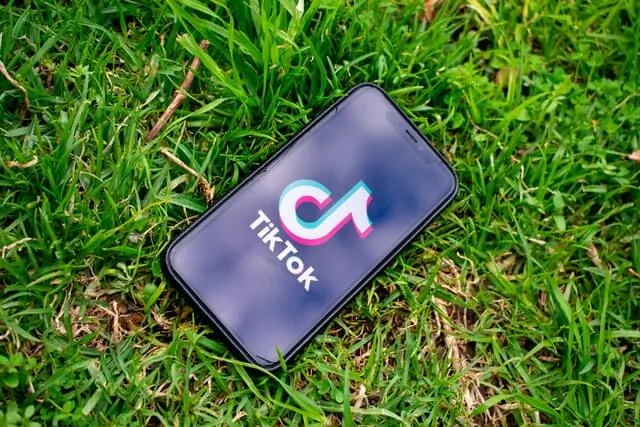
Younger audiences increasingly go to TikTok, Instagram, and YouTube first for product reviews, how-tos, and recommendations, often before they open Google at all. Google has responded by pulling far more video and forum content into its own results.
If your audience is under 35, I’d treat social search as a proper channel: research what people actually type into these platforms, optimise your captions, on-screen text, and hooks accordingly, and post consistently. Production value matters less than you’d think. Rough, useful content that feels native to the platform beats a polished brand film almost every time.
Short-form video also remains the best organic-reach deal in marketing. The algorithms behind TikTok, Reels, and Shorts still give unknown accounts a genuine shot at distribution, which you can’t say for many channels these days.
5. First-party data (and the cookie that refused to die)
A correction to something you’ll still see repeated across marketing blogs: third-party cookies were never deprecated. After years of delays, Google abandoned its plan to phase them out of Chrome in 2024, and confirmed in April 2025 that they’re staying - without even the opt-out prompt it had previously floated.
Does that mean first-party data stopped mattering? Not in my view. Signal loss is still very real: Safari and Firefox block third-party cookies regardless, privacy regulation keeps tightening, and platform attribution gets murkier every year. The brands doing personalisation well are the ones with direct relationships: email lists, communities, useful free tools, loyalty programmes.
So my advice here hasn’t changed. Keep investing in the channels you own, especially your email list, because they don’t depend on whatever Chrome decides to do next year.
What I’d actually do with all this
Trends lists are easy to write and even easier to ignore, so let me be concrete. If I were prioritising a marketing budget today, I’d:
- Audit how visible you are in AI answers (AI Overviews, AI Mode, ChatGPT, Perplexity) for the queries that drive your revenue, then fix the gaps.
- Pick one short-form platform and commit to it properly for six months, rather than dabbling in three.
- Invest seriously in first-party data capture, because it derisks everything else on this list.
- Stop publishing content a competitor could have published word for word.
Digital marketing is more fragmented than it’s ever been, but I don’t think that’s bad news. If you’re focused, you only need to win in one or two of these places, and most bigger competitors are busy trying to be everywhere at once.
If you’re not sure which of these deserves your budget first, that’s the kind of thing I help businesses work through as an SEO consultant in London, so feel free to get in touch.